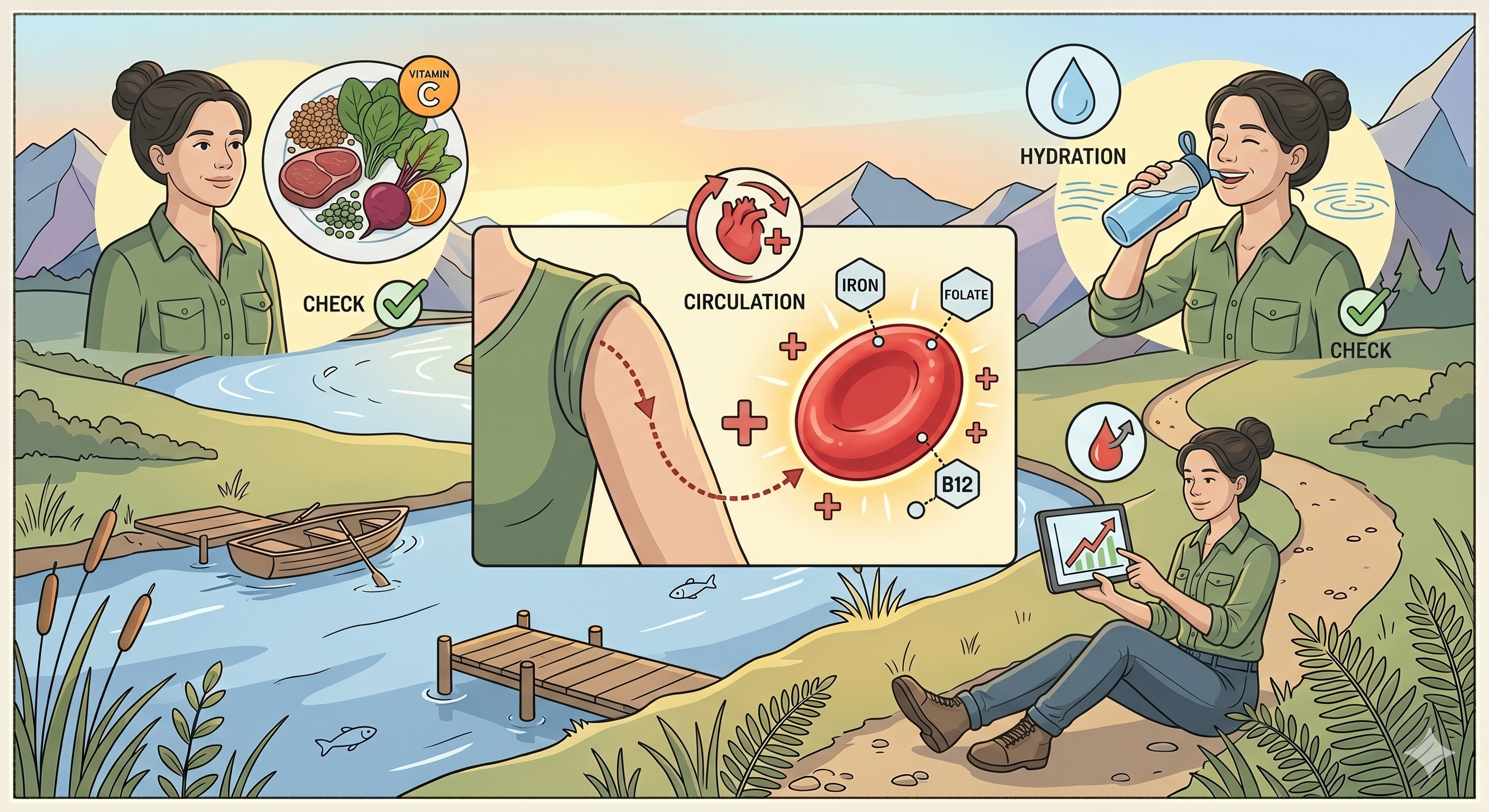

Maintaining healthy blood levels is essential for your energy, immunity, and overall vitality. Whether you are looking to prevent anemia, improve circulation, or simply feel more vibrant, your lifestyle and diet play a starring role. Healthy blood ensures that oxygen is efficiently delivered to every cell in your body, keeping your brain sharp and your muscles strong.
If you’ve been feeling unusually tired or sluggish lately, it might be time to give your blood a little extra attention. Here are 10 simple, natural ways to increase your blood health and boost your energy levels.
1. Load Up on Heme and Non-Heme Iron
Iron is the building block of hemoglobin, the protein in red blood cells that carries oxygen.
-
Sources: Incorporate lean red meats and poultry (heme iron) or plant-based powerhouses like lentils, chickpeas, and pumpkin seeds (non-heme iron).
-
Pro Tip: If you’re plant-based, consistency is key to keeping your iron stores topped up.
2. Pair Iron with Vitamin C
Your body can sometimes be stubborn about absorbing iron, especially from plant sources. Vitamin C acts as a “key” that unlocks better absorption.
-
The Combo: Squeeze fresh lemon juice over your spinach salad or eat an orange shortly after a lentil-based meal.
3. Don’t Forget the Folate (Vitamin B9)
Folate is crucial for creating healthy red and white blood cells in the bone marrow. A deficiency can lead to “megaloblastic” anemia, where cells don’t develop properly.
-
Top Foods: Focus on leafy greens (the word “folate” comes from foliage), asparagus, beans, and citrus fruits.
4. Optimize Vitamin B12 Intake
Vitamin B12 works hand-in-hand with folate to produce red blood cells. Since B12 is primarily found in animal products, vegetarians and vegans should be extra mindful.
-
Where to find it: Eggs, dairy, meat, and fortified cereals. If you follow a strict vegan diet, a high-quality B12 supplement is often recommended.
5. Be Mindful of “Iron Blockers”
Some healthy habits can actually get in the way of iron absorption if timed poorly.
-
The Culprits: Tannins in tea, caffeine in coffee, and calcium in dairy or supplements can inhibit iron uptake.
-
The Fix: Try to wait at least one hour after an iron-rich meal before enjoying your coffee or tea.
6. Incorporate Copper-Rich Foods
Copper doesn’t directly make blood, but it helps your body access the iron it needs to produce hemoglobin.
-
Sources: Cashews, sunflower seeds, whole grains, and dark chocolate (yes, really!) are excellent sources of copper.
7. Stay Properly Hydrated
While water doesn’t “create” blood cells, blood is about 90% water. Dehydration makes your blood thicker and harder to pump, which leads to fatigue.
-
Daily Goal: Aim for at least 8 glasses of water a day to maintain optimal blood volume and circulation.
8. Cook in Cast Iron Skillets
This is an old-school trick that actually works. Cooking acidic foods (like tomato sauce) in a cast-iron pan can leach small, safe amounts of dietary iron into your food. It’s an easy, passive way to boost your intake.
9. Get Moving with Aerobic Exercise
Regular exercise doesn’t just strengthen your heart; it stimulates your body to produce more red blood cells and hemoglobin to meet the increased demand for oxygen.
-
Activities: Jogging, swimming, or even brisk walking for 30 minutes a day can improve your overall blood profile.
10. Prioritize Gut Health
You are not just what you eat; you are what you absorb. If your gut is inflamed, you won’t absorb nutrients like B12 and iron efficiently.
-
The Strategy: Eat fermented foods like yogurt or kimchi and reduce highly processed sugars to keep your intestinal lining healthy and ready for nutrient absorption.
Summary Checklist for Better Blood Health
| Nutrient/Action | Best Source | Why it Matters |
| Iron | Spinach, Lentils, Beef | Carries Oxygen |
| Vitamin C | Citrus, Bell Peppers | Aids Absorption |
| B12 & Folate | Eggs, Leafy Greens | Cell Production |
| Hydration | Pure Water | Maintains Volume |
Note: If you suspect you have low blood levels (anemia), it is important to consult a healthcare professional for a blood test before starting heavy supplementation.
Which of these simple changes do you think would be easiest to add to your routine this week?