

10 Foods That Naturally Boost Fertility in Women
The journey toward motherhood is one of the most exciting, emotionally charged, and life-altering experiences a woman can have. It can also be a period of significant anticipation and sometimes, frustration. While medical consultations and technological advancements are crucial for some, many women look for natural, complementary ways to support their reproductive health. One of the most powerful and accessible tools in this process is nutrition. The old saying “you are what you eat” holds profound truth when it comes to optimizing fertility and preparing your body for pregnancy.
A well-balanced, nutrient-dense diet doesn’t just improve overall wellness; it plays a critical role in regulating hormones, supporting regular ovulation, protecting the quality of your eggs, and creating a healthy uterine environment for implantation. In fact, research continuously highlights that certain foods pack a serious reproductive punch. Here is a detailed look at 10 delicious and readily available foods that can naturally boost fertility in women.
1. Berries (Blueberries, Raspberries, Strawberries)
Berries aren’t just sweet and satisfying; they are antioxidants powerhouses. Antioxidants are essential for fertility because they protect your cells—including your precious eggs—from damage caused by free radicals. Oxidative stress can impair egg quality and affect ovulation. Blueberries, in particular, are rich in anthocyanins, which have potent anti-inflammatory effects. Raspberries contain Vitamin C and folate, which are vital for a healthy reproductive system.
How to Enjoy: Sprinkle berries over your morning oatmeal, yogurt, or blend them into a refreshing pre-conception smoothie. They make a perfect, antioxidant-rich snack on their own.
2. Avocado
Avocados have rightfully earned their reputation as a nutritional superstar. They are an excellent source of monounsaturated fats, the healthy type of fat that helps improve overall egg health and uterine lining health. They are also packed with Vitamin E, a nutrient that studies suggest can improve uterine health and support regular ovulation. Additionally, they provide potassium and folate, which are crucial for preconception and early pregnancy development.
How to Enjoy: Avocado toast is a classic for a reason! You can also add avocado slices to your salads, or blend them into smoothies for a creamy texture and a dose of healthy fat.
3. Leafy Greens (Spinach, Kale, Chard)
When you were told to “eat your greens,” this is when it really pays off! Spinach, kale, and other dark, leafy greens are absolute staples for a fertility-boosting diet. Their primary superpower is their exceptionally high folate (Vitamin B9) content. Folate is crucial for preventing neural tube defects during early pregnancy, but it also supports regular ovulation and plays a key role in synthesizing genetic material (DNA and RNA) in your cells, including your eggs.
How to Enjoy: Sauté spinach or kale as a side dish, add a handful to soups and stews, or use fresh leaves as the base for a nutrient-packed salad.
4. Citrus Fruits (Oranges, Grapefruit, Lemon)
Citrus fruits are famous for being loaded with Vitamin C, but they also offer a significant amount of folate and potassium. Vitamin C is a potent antioxidant that supports immune health, and it also plays a critical role in protecting sperm and egg quality from oxidative damage. For women, it may help balance hormone levels, support regular menstruation, and improve progesterone levels, which are vital for maintaining a pregnancy.
How to Enjoy: Enjoy an orange as a snack, add slices of grapefruit to your salads, or squeeze fresh lemon or lime juice over fish, salads, or water.
5. Walnuts
Walnuts are unique among nuts because they are the only ones with a substantial amount of Omega-3 fatty acids, specifically alpha-linolenic acid (ALA). Omega-3s are vital for supporting healthy ovulation, regulating reproductive hormones, and reducing overall bodily inflammation, all of which contribute to a fertile environment. They are also a good source of Vitamin E and protein.
How to Enjoy: Eat a small handful of walnuts as a snack, or add them to your salads and baked goods. Be mindful of portion size, as they are calorie-dense.
6. Beans and Lentils
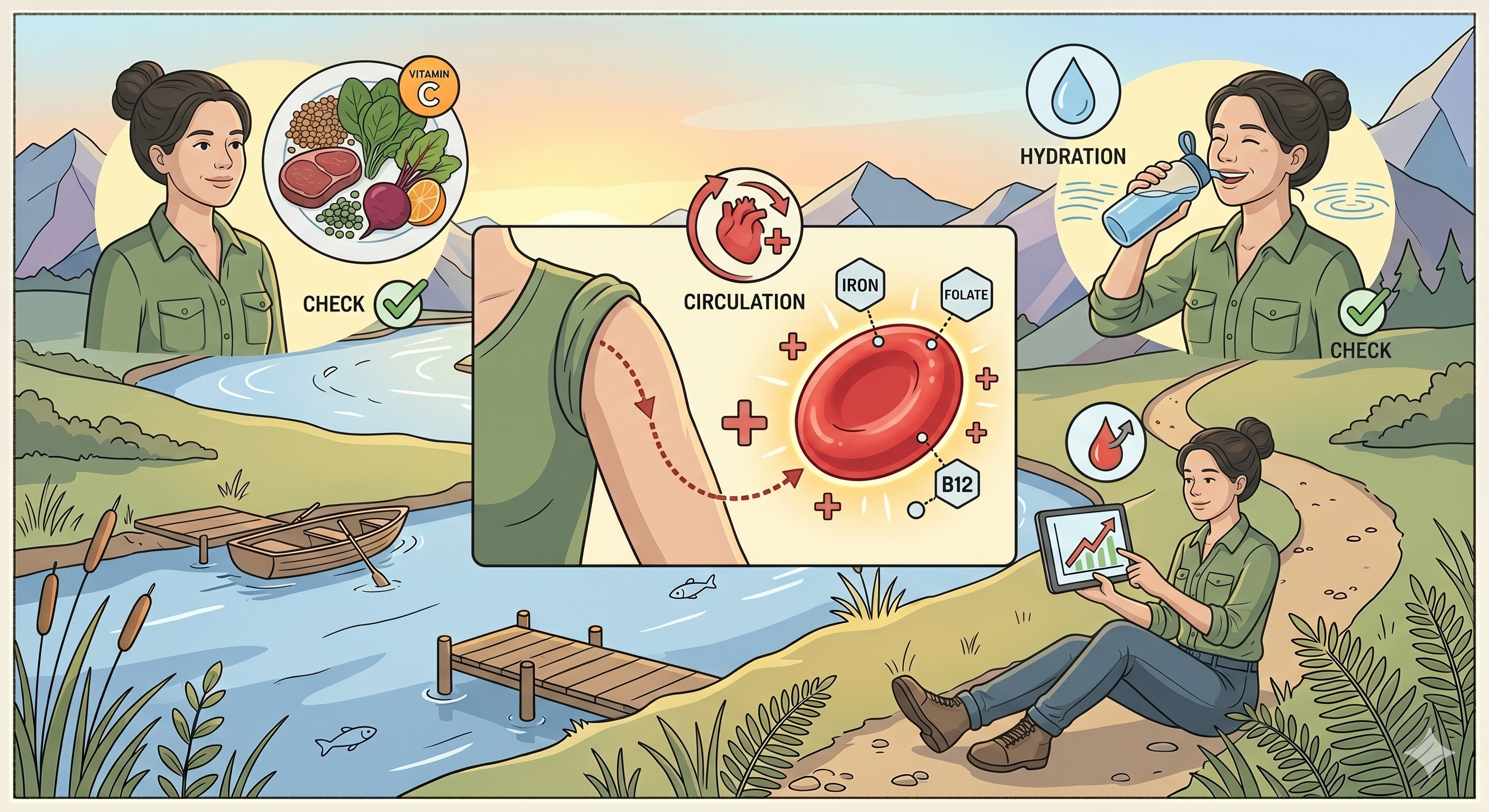
Plant-based proteins are associated with a reduced risk of ovulatory infertility. Beans, chickpeas, and lentils are fantastic choices for natural fertility support. They are high in folate, fiber, and iron. Iron is especially critical for women; iron deficiency is common and has been linked to ovulatory issues and decreased egg health.
How to Enjoy: Add lentils to soups, create a refreshing chickpea salad, or use black beans as the basis for a vegetarian meal. Aim for at least two servings of plant-based protein daily.
7. Whole Grains (Quinoa, Oats, Whole Wheat)
The quality of carbohydrates you consume matters significantly when it comes to fertility. Complex, high-fiber carbohydrates like quinoa, whole oats, and whole-wheat products help regulate your blood sugar and insulin levels. Insulin resistance or high insulin levels can disrupt ovulation and negatively impact your hormonal balance. Choosing whole grains over refined carbohydrates can improve fertility outcomes.
How to Enjoy: Opt for brown rice or quinoa instead of white rice, choose whole-wheat bread and pasta, and start your day with a satisfying bowl of oatmeal.
8. Pomegranate
In many cultures, the pomegranate has been a symbol of fertility for centuries, and science is now beginning to back this traditional belief. Pomegranates are rich in antioxidants, including tannins, which combat oxidative stress. They also contain high levels of Vitamin C and Vitamin K, and some studies suggest that pomegranate juice may improve uterine blood flow, which is beneficial for implantation.
How to Enjoy: Sprinkle the seeds (arils) over yogurt or salads, or enjoy a small glass of 100% pure pomegranate juice.
9. Asparagus
Asparagus is a nutritional powerhouse when it comes to preconception health. A single cup of asparagus provides a massive amount of folate (over half your daily requirement!). It also contains Vitamin K, Vitamin A, Vitamin C, and glutathione, a powerful antioxidant that supports liver function and overall reproductive cell health.
How to Enjoy: Asparagus is delicious steamed, roasted, or grilled with a light drizzle of olive oil. Add it to omelets or salads.
10. Eggs (Specifically the Yolk)
Eggs are an excellent source of protein, but the truly important part for fertility is the yolk. Many people mistakenly skip the yolk, but it is rich in Vitamin D, Vitamin B12, and a nutrient called choline. Choline is critical for fetal brain development and may reduce the risk of certain birth defects. Vitamin D is essential for hormone production and overall immune function, and deficiency is common in women.
How to Enjoy: Eggs are incredibly versatile! Scramble them, poach them, or enjoy them hard-boiled. For maximum nutritional benefit, try to find eggs from pasture-raised hens.
Conclusion
While focusing on these 10 foods is an excellent and empowering step, it’s crucial to remember that nutrition is just one piece of the fertility puzzle. Optimal reproductive health also relies on managing stress, ensuring adequate and restful sleep, avoiding harmful substances, and having regular check-ups with your medical provider. Preconception health is a holistic process, and focusing on nourishing your body with these whole-food options can provide a significant, natural advantage on your path toward building a family. Embrace the power of food, and enjoy the journey!